In a groundbreaking development that could redefine longevity research, scientists have identified a critical safety threshold for epigenetic reprogramming—a technique capable of reversing cellular aging. The discovery addresses one of the field’s most pressing challenges: how to rejuvenate cells without triggering uncontrolled growth or cancer. This delicate balance, now termed the "therapeutic window," could pave the way for safer anti-aging interventions.
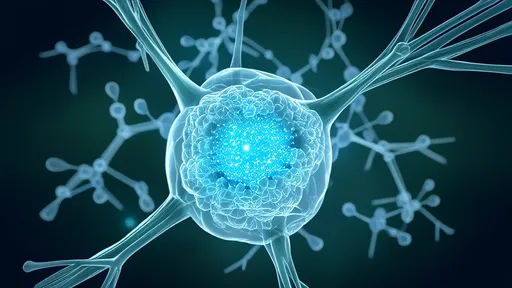
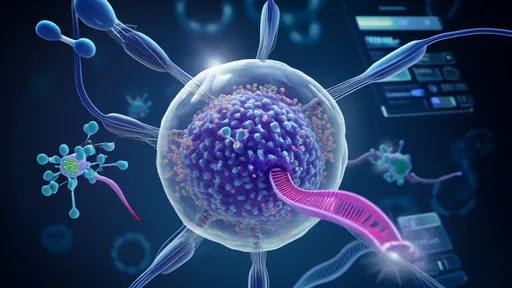
The study, led by researchers at the Salk Institute and Harvard Medical School, focused on partial reprogramming using Yamanaka factors (Oct4, Sox2, Klf4, and c-Myc). While these proteins are known to reset epigenetic markers to a youthful state, prolonged exposure risks erasing cellular identity or causing tumorigenesis. The team found that short, cyclic pulses of reprogramming could reduce biological age without compromising cell function—a revelation that has sent ripples through the biogerontology community.
Why Epigenetics Holds the Key
Aging leaves fingerprints on our DNA through epigenetic modifications—chemical tags that accumulate over time and alter gene expression. These changes, measurable via "epigenetic clocks," strongly correlate with age-related decline. Previous attempts to reverse this process faced a catch-22: aggressive reprogramming rejuvenated cells but also erased vital differentiation markers, while cautious approaches showed limited efficacy. The new research strikes a middle ground by defining precise exposure durations that confer benefits while maintaining genomic stability.
Notably, the safe window appears tissue-specific. In human fibroblasts, three-day cycles followed by rest periods optimally reduced DNA methylation age by 30%. Muscle stem cells required shorter bursts, whereas neurons tolerated longer exposures. This variability underscores the need for personalized protocols—a challenge now being addressed through machine learning models that predict cell-type-specific responses.
From Petri Dishes to Living Organisms
Translating these findings to whole organisms presents additional hurdles. When tested in progeria mice (which exhibit accelerated aging), intermittent reprogramming extended lifespan by 18% without increasing cancer incidence. However, wild-type mice showed more variable outcomes, suggesting that age and baseline health status influence treatment efficacy. Researchers caution that human applications may require even tighter control mechanisms, possibly through synthetic biology switches that automatically terminate reprogramming after reaching target thresholds.
The implications extend beyond longevity. Trauma centers could someday use brief epigenetic resets to improve recovery in aged tissues, while neurodegenerative diseases might be delayed by periodic "maintenance" reprogramming. Yet significant barriers remain, including delivery methods—current techniques rely on viral vectors, which pose integration risks—and the unresolved question of whether epigenetic rejuvenation truly resets all aspects of cellular aging or merely masks its biomarkers.
The Ethical Horizon
As with any disruptive technology, epigenetic reprogramming raises societal questions. Will access be equitable? Should we treat aging as a disease? While the science progresses, parallel discussions about regulation and distribution are gaining urgency. The identification of a safety window doesn’t just advance biology—it forces us to confront what it means to age in a world where time’s arrow might someday bend.
For now, the field remains cautiously optimistic. As Dr. María Blasco of Spain’s National Cancer Research Centre notes: "We’re not talking about immortality, but potentially adding healthy years. That’s the real prize." With clinical trials expected within five years, the race to safely harness our epigenetic clocks has entered its most promising—and perilous—phase yet.

By /Jul 28, 2025

By /Jul 28, 2025
By /Jul 28, 2025

By /Jul 28, 2025

By /Jul 28, 2025

By /Jul 28, 2025

By /Jul 28, 2025
By /Jul 28, 2025

By /Jul 28, 2025

By /Jul 28, 2025

By /Jul 28, 2025
By /Jul 28, 2025

By /Jul 28, 2025

By /Jul 28, 2025

By /Jul 28, 2025

By /Jul 28, 2025

By /Jul 28, 2025

By /Jul 28, 2025

By /Jul 28, 2025

By /Jul 28, 2025
