In the high-stakes world of competitive sports, even marginal dehydration can mean the difference between victory and defeat. Now, a groundbreaking wearable technology is revolutionizing how athletes monitor their hydration status. Sweat electrolyte patches, once confined to research labs, are emerging as a game-changing tool for real-time dehydration risk assessment.
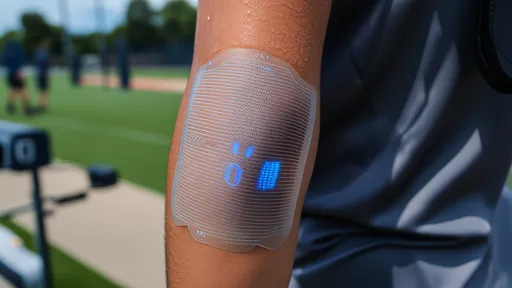
The science behind these unobtrusive patches is deceptively simple yet profoundly effective. As athletes train and compete, their sweat passes through microscopic channels in the adhesive patch, where specialized sensors analyze electrolyte composition and sweat rate. This data gets wirelessly transmitted to coaching staff or medical teams, providing continuous hydration status updates without interrupting performance.
What sets this technology apart is its ability to detect dehydration before physical symptoms manifest. Traditional methods like weigh-ins or urine tests provide retrospective data, but electrolyte patches offer predictive insights. By monitoring sodium, potassium, and chloride levels alongside sweat volume, the system can forecast dangerous dehydration trends with startling accuracy.
The implications for athlete safety are monumental. Heat-related illnesses account for numerous preventable injuries in sports annually. These patches create an early warning system that could dramatically reduce heatstroke incidents during intense training sessions or competitions held in challenging environments. Coaches report being able to make more informed decisions about water breaks and recovery periods based on live physiological data.
Beyond professional sports, the technology shows promise for military applications and outdoor laborers. Firefighters, construction workers, and soldiers operating in extreme conditions could all benefit from continuous hydration monitoring. The patches' discreet nature makes them particularly valuable in situations where bulky equipment would be impractical.
As with any emerging technology, challenges remain. Current iterations struggle with calibration issues during sudden environmental changes, and long-term durability questions persist. However, manufacturers are rapidly iterating designs, with next-generation models promising improved accuracy and multi-day wearability. The integration of machine learning algorithms may soon enable personalized hydration recommendations based on an athlete's unique physiology.
The commercial rollout has begun cautiously, with several professional sports teams serving as beta testers. Early adopters report not just safety benefits, but performance advantages as well. By maintaining optimal hydration levels, athletes demonstrate improved endurance, faster reaction times, and better temperature regulation during critical moments of competition.
Looking ahead, sweat electrolyte patches represent more than just another wearable gadget. They signify a fundamental shift toward preventive sports medicine, where real-time biometrics allow for proactive rather than reactive health management. As the technology matures and becomes more accessible, it may well become as ubiquitous as heart rate monitors in athletic training regimens worldwide.
For now, the sports science community watches with keen interest as this innovation transitions from experimental tool to essential equipment. The potential to save lives while enhancing performance makes sweat electrolyte monitoring one of the most exciting developments in athletic technology this decade. Future iterations may incorporate additional biomarkers, transforming these humble patches into comprehensive physiological monitoring systems.

By /Jul 28, 2025

By /Jul 28, 2025

By /Jul 28, 2025

By /Jul 28, 2025

By /Jul 28, 2025

By /Jul 28, 2025

By /Jul 28, 2025

By /Jul 28, 2025
By /Jul 28, 2025

By /Jul 28, 2025
By /Jul 28, 2025
By /Jul 28, 2025

By /Jul 28, 2025
By /Jul 28, 2025

By /Jul 28, 2025

By /Jul 28, 2025

By /Jul 28, 2025

By /Jul 28, 2025

By /Jul 28, 2025

By /Jul 28, 2025
