Animal Reintroduction Program: Challenges of Captive Animals in the Wild

Aug 21, 2025 By

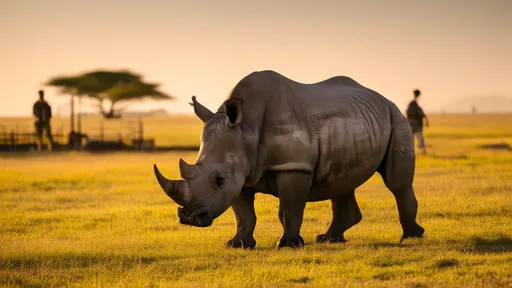
The soft rustle of leaves underfoot, the distant call of a wild counterpart, the unscripted dance of survival—for animals raised in captivity, the dream of returning to nature is both a profound hope and an immense challenge. Animal reintroduction programs represent one of conservation's most ambitious and heart-wrenching frontiers. These initiatives aim to reverse the tide of extinction by taking creatures born or long-held in the sterile safety of zoos, sanctuaries, and breeding centers and plunging them into the unpredictable theatre of the wild. The goal is noble: to bolster dwindling populations, restore ecological balance, and right a wrong humanity often inflicted. Yet, the path from a cage to a territory is fraught with peril, a complex journey that tests the very limits of an animal's instinct and our own understanding of what it means to be truly wild.

The process begins long before an animal sets eyes on its new home. It starts in the controlled environments where they are born. Here, conservationists face their first great dilemma: how to raise a captive animal without stripping it of its wild essence. The answer often lies in pre-release conditioning, a rigorous training regimen designed to simulate the challenges of the wild. For a predator like an Amur leopard, this might involve hunting live prey presented in a way that encourages natural stalking behaviors, rather than simply receiving a slab of meat on a platter. For prey species like the scimitar-horned oryx, it means learning to be wary, to recognize the scent of a predator, and to navigate complex, open terrain. Keepers and biologists become teachers of instinct, using puppets to feed chicks to avoid human imprinting or playing audio recordings of rival species to trigger innate defensive postures. This phase is a race against time and comfort, an attempt to awaken genetic memories buried under generations of dependency.

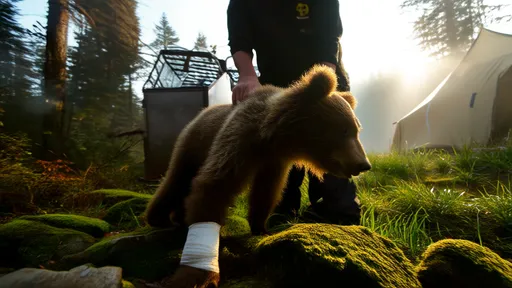
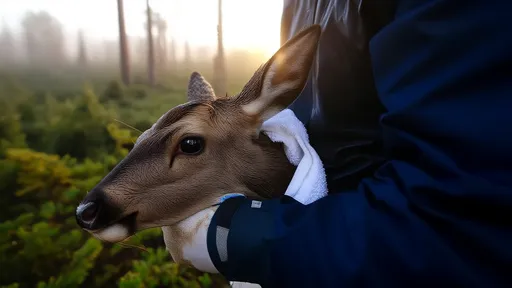
Despite the most meticulous preparation, the moment of release is a shock to the system. The animal is transported, often after a period of quarantine, to a designated release site—a protected area hopefully free from the poaching or habitat loss that originally threatened the species. As the crate door swings open, the animal is met with a sensory overload unlike anything it has ever experienced. The sheer scale of the landscape is disorienting; there are no walls, but also no guaranteed meals or veterinary care. This transition is a critical window of vulnerability. The animal must immediately perform a suite of behaviors it has only practiced: find water, locate shelter, and avoid danger. For many, the first few days are a blur of stress and exploration. Some individuals adapt with surprising swiftness, their instincts kicking into gear as if a switch has been flipped. Others wander confused, unable to translate their training into action, becoming easy targets for starvation, predation, or accident. This period starkly reveals the chasm between simulated wilderness and the real thing.

Perhaps the most underestimated challenge is the social wilderness. Captive-bred animals are often raised in small, managed groups with established hierarchies enforced by human caretakers. The wild, however, is a dynamic social landscape. For highly social species like wolves, elephants, or certain primates, navigating the complex politics of a wild troop or pack is a skill not easily taught in a enclosure. A captive-reared wolf may know how to hunt but have no concept of how to challenge for dominance, appease an alpha, or integrate into an existing pack without triggering fatal aggression. Communication—through nuanced vocalizations, scent marking, or body language—is often slightly off, a foreign accent that marks them as an outsider. This social ineptitude can lead to exile, making them solitary and thus more vulnerable in an environment where there is safety in numbers. Reintroduction programs increasingly try to release small groups together to provide a ready-made social unit, but even then, interactions with truly wild groups are inevitable and perilous.

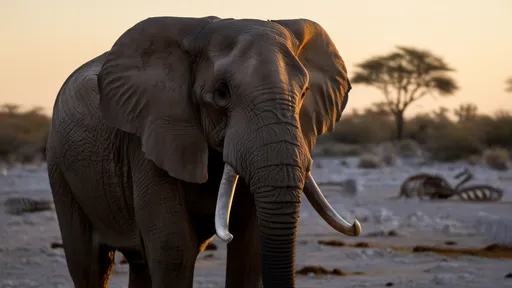
The physical environment itself presents a gauntlet of unseen threats. Captive animals have never had to truly weather a storm, forage during a drought, or navigate a landscape scarred by wildfire or flood. Their immune systems, calibrated by the clean conditions of captivity, are naive to the plethora of parasites and pathogens endemic to their native habitats. A common cold virus, harmless to locals, can devastate a reintroduced population. Furthermore, the world they are entering is not the pristine wilderness of centuries past. It is often a patchwork of protected areas bordering human development. This leads to human-wildlife conflict, a major cause of post-release mortality. An elephant calf raised by kind keepers does not inherently fear humans and may raid crops, leading to retaliatory killings. A big cat might find domestic livestock easier prey than elusive wild ungulates, bringing it into direct conflict with farmers. The very animals we strive to save often perish because they cannot navigate the new realities of a human-dominated world.

The technological revolution has offered a lifeline in the form of post-release monitoring. The standard practice now is to equip released animals with tracking devices—GPS collars, radio transmitters, or biometric sensors. This stream of data is the pulse of any reintroduction project. It allows scientists to monitor movement patterns, identify preferred habitats, and, most crucially, receive mortality signals. When an animal dies, researchers can quickly locate the carcass to determine the cause of death. Was it predation? Starvation? Disease? Poaching? This information is invaluable, creating a feedback loop that informs future training protocols. If several animals are found to be succumbing to a specific parasite, deworming protocols can be added to pre-release care. If tracking data shows animals consistently wandering into dangerous human settlements, conservationists can implement better deterrents like reinforced fencing or community alert systems. This constant vigil is resource-intensive but non-negotiable for measuring success and mitigating failure.

Ultimately, the success of animal reintroduction is not measured by the simple act of release, but by long-term demographic viability. The true benchmarks are stark and numerical: Are the released animals surviving year after year? Are they finding mates, either among themselves or with wild individuals? Most importantly, are they producing offspring that themselves survive to reproduce? This second generation, born wild and raised by rewilded parents, is the ultimate validation of the entire endeavor. They are the living proof that the chain of cultural and survival knowledge, broken by captivity, has been reforged. Projects like the return of the California condor or the Arabian oryx are celebrated because they have cleared this high bar, creating self-sustaining populations that no longer require human intervention. However, for every success, there are countless programs where populations stagnate or fade away, their members unable to cross the final, evolutionary hurdle of independent perpetuation.

The ethical dimension of reintroduction is a constant, sobering companion to the science. Is it fair to subject a creature that has known only security to the high likelihood of a violent, stressful death? Is our desire to see a species back in its native habitat worth the individual suffering of those who fail to adapt? These questions lack easy answers. Proponents argue that the potential suffering of a few is justified by the long-term benefit to the species and the ecosystem—that it is a necessary risk in the greater war against biodiversity loss. Critics caution against playing god with individual lives for a feel-good conservation story. This tension forces the field to constantly evolve, striving for better methods to reduce suffering, such as more realistic pre-release training and robust monitoring to quickly aid animals in dire distress. The objective remains not just to return animals to the wild, but to give them a genuine fighting chance at a life worth living.

In the end, animal reintroduction is a story of second chances, painted in shades of gray. It is a testament to human ingenuity and our deep-seated desire to atone for our environmental sins. Each animal that steps out of a crate is a symbol of hope, a fuzzy or feathered ambassador for its entire kind. Yet, each one also carries the weight of our expectations into a world that is unforgiving. Their journey highlights a profound truth: wildness is not just a place, but a state of being woven from learned experience, ingrained instinct, and resilient spirit. The challenge of rewilding captive animals holds up a mirror to our own relationship with nature, reminding us that while we possess the power to remove species from the wild, restoring them is a far more difficult and humbling task—one that requires not just science, but profound respect for the wild heart we are trying to rekindle.
Recommend Posts
Animal

Dolphin Self-Awareness: Cognitive Studies of Marine Mammals

By /Aug 21, 2025

In the vast and mysterious depths of the world's oceans, marine mammals have long captivated human imagination with their intelligence and complex behaviors. Among these creatures, dolphins stand out as particularly fascinating subjects of study, not only for their playful antics and social structures but also for their remarkable cognitive abilities. Research into dolphin cognition has steadily advanced over the decades, revealing insights that challenge our understanding of consciousness and self-awareness in non-human animals. These findings not only enrich our knowledge of marine life but also provoke deeper ethical and philosophical questions about our relationship with other intelligent beings on this planet.
Animal

Parrot's Language Abilities: The Bird's Talent for Sound Imitation

By /Aug 21, 2025

In the dense rainforests of Australia, a sudden burst of human laughter echoes through the canopy, followed by a perfect imitation of a chainsaw's roar. This auditory illusion is not the work of a prankster forester but the vocal mastery of a wild parrot, one of nature's most astonishing acoustic mimics. For centuries, the ability of parrots to replicate human speech, environmental sounds, and even musical melodies has captivated scientists and pet owners alike, positioning these birds as the undisputed vocal geniuses of the avian world.
Animal

Phenological Changes: Animal Adaptations in Seasonal Transitions

By /Aug 21, 2025

As the seasons turn, the natural world undergoes a profound transformation, a silent symphony of change dictated by the subtle cues of temperature, light, and weather. This rhythmic dance of life, known as phenology, governs the behaviors and physiological adaptations of countless animal species across the globe. From the first buds of spring to the frost-laden silence of winter, animals have evolved intricate strategies to not just survive, but thrive amidst these cyclical shifts. Their adaptations are a testament to millions of years of evolutionary fine-tuning, a deep, ingrained response to the Earth's eternal rhythm.
Animal

Coral Bleaching Crisis: An Ecological Warning of Ocean Warming

By /Aug 21, 2025

The vibrant coral reefs that have long captivated marine biologists and casual snorkelers alike are undergoing a silent, profound crisis. Across the globe, from the Great Barrier Reef to the Caribbean Sea, these underwater metropolises are losing their color and their vitality in a process known as coral bleaching. This phenomenon is not a minor fluctuation in ocean health; it is a stark and urgent warning signal from our planet's oceans, indicating a fundamental disruption caused primarily by warming sea temperatures.
Animal

The Intelligence of Crows: A Study on Problem-Solving Abilities in Birds

By /Aug 21, 2025

In the quiet moments of dawn, as the first light filters through the trees, a familiar black silhouette often perches on a branch, observing the world with an unsettling intelligence. For centuries, crows and their corvid relatives have been woven into our folklore and myths, often as omens or tricksters. Yet, it is only in recent decades that science has begun to unravel the true depth of their cognitive abilities, revealing that these birds are not merely instinct-driven creatures but possess a problem-solving prowess that rivals that of many mammals, including in some cases, young children.
Animal

Climate Change Impacts: Survival Challenges for Polar Animals

By /Aug 21, 2025

The vast, frozen expanses of the Arctic and Antarctic have long been realms of myth and extreme survival, home to species exquisitely adapted to life in the cold. For millennia, the polar bear, the emperor penguin, the Arctic fox, and a host of other creatures have thrived in these harsh environments, their lives dictated by the relentless rhythm of sea ice. Today, however, that rhythm is faltering, thrown into disarray by the pervasive and accelerating impacts of climate change. The very foundation of these frozen ecosystems is literally melting away, presenting a cascade of survival challenges that threaten the future of the planet's most iconic polar animals.
Animal

Tool Use in Gorillas: Technological Innovation in Primates

By /Aug 21, 2025

In the dense rainforests of West Africa, a quiet revolution in our understanding of animal intelligence is unfolding. For decades, the ability to create and use tools was considered a defining hallmark of humanity, a cognitive Rubicon separating us from the rest of the animal kingdom. This long-held belief has been systematically dismantled by decades of meticulous field research, revealing that our closest living relatives, the great apes, are not mere instinct-driven creatures but sophisticated technologists in their own right. The study of primate tool use has evolved from noting curious anecdotes to documenting complex, learned cultural traditions that are reshaping the very definitions of technology and innovation.
Animal

Changes in Migration Patterns: Adjustments in Animal Behavior Influenced by Climate"

By /Aug 21, 2025

As the planet's climate continues to undergo significant shifts, the natural world is responding in ways both subtle and profound. Among the most telling indicators of these changes are the behavioral adjustments observed in animal species across the globe. Migration, a deeply ingrained instinct for countless creatures, is being reshaped not over millennia, but within mere decades, forcing scientists and conservationists to rethink traditional models of animal movement and survival.
Animal

Resolving Human-Wildlife Conflicts: The Path to Peaceful Coexistence in Shared Spaces

By /Aug 21, 2025

In the quiet hours before dawn, a farmer in rural India steps outside to find an elephant browsing through his crops. Half a world away, a suburban family in Colorado watches a black bear rummage through their trash bins. These scenes, once rare, have become increasingly common flashpoints in the complex and evolving relationship between humans and wildlife. As human populations expand and natural habitats shrink, our worlds are colliding with unprecedented frequency, creating a critical need for innovative approaches to coexistence.
Animal

Animal Reintroduction Program: Challenges of Captive Animals in the Wild

By /Aug 21, 2025

The soft rustle of leaves underfoot, the distant call of a wild counterpart, the unscripted dance of survival—for animals raised in captivity, the dream of returning to nature is both a profound hope and an immense challenge. Animal reintroduction programs represent one of conservation's most ambitious and heart-wrenching frontiers. These initiatives aim to reverse the tide of extinction by taking creatures born or long-held in the sterile safety of zoos, sanctuaries, and breeding centers and plunging them into the unpredictable theatre of the wild. The goal is noble: to bolster dwindling populations, restore ecological balance, and right a wrong humanity often inflicted. Yet, the path from a cage to a territory is fraught with peril, a complex journey that tests the very limits of an animal's instinct and our own understanding of what it means to be truly wild.
Animal

Endangered Species Breeding: Artificial Assistance for Natural Continuation

By /Aug 21, 2025

In the shadow of mass extinction, a quiet revolution is unfolding within conservation biology. The practice of breeding endangered species, once a desperate last resort, has evolved into a sophisticated discipline that blends cutting-edge science with profound ecological understanding. This is not about playing God or creating zoo curiosities; it is about providing a lifeline—an artificial assist to natural continuity—for species teetering on the brink of oblivion. The mission is clear yet monumental: to use human ingenuity to bridge gaps in broken ecosystems, stabilize plummeting populations, and ultimately return self-sustaining generations to the wild.
Animal

Elephant's Memory: The Memory Champion of the Animal Kingdom

By /Aug 21, 2025

In the vast tapestry of the animal kingdom, few creatures command as much awe and fascination as the elephant. These gentle giants, with their wrinkled skin and wise eyes, have long been revered across cultures for their intelligence and emotional depth. But perhaps their most extraordinary trait lies in the recesses of their magnificent minds – a memory so powerful and precise that it has earned them the title of memory champions of the animal world. This isn't merely anecdotal folklore; it is a well-documented scientific reality that continues to astonish researchers and observers alike.
Animal

Future Prospects: The Integration of Technology and Traditional Animal Conservation

By /Aug 21, 2025

In the misty highlands of Kenya, a Maasai elder raises his weathered hand to shield his eyes from the morning sun. For generations, his people have tracked wildlife through dust and memory, reading the land like a living manuscript. A thousand miles away, a conservation biologist in San Francisco adjusts her virtual reality headset, watching the same herd migrate as pulsating dots on a digital map. These two worlds, seemingly separated by time and technology, are converging in what may become the most significant revolution in wildlife conservation since the establishment of the first national parks.
Animal

Wildlife Rehabilitation: The Journey of Injured Animals Back to Nature

By /Aug 21, 2025

In the quiet corners of our world, where human expansion often intersects with fragile ecosystems, a silent but vital mission unfolds daily. Wildlife rehabilitation centers stand as beacons of hope for injured, orphaned, or ill wild animals, offering them a second chance at life in their natural habitats. The journey from rescue to release is a profound testament to human compassion and scientific dedication, weaving together veterinary medicine, behavioral science, and ecological stewardship into a seamless tapestry of care.
Animal

Animal Rescue Stories: Warm Records of Life Miracles

By /Aug 21, 2025

In the quiet hours before dawn, when the world seems to hold its breath, a different kind of heartbeat echoes through the corridors of animal rescue centers and along the lonely stretches of road where hope is often a scarce commodity. These are the places where miracles are not merely wished for but forged through the relentless compassion of those who refuse to look away from suffering. The stories that emerge are not just tales of survival; they are profound testaments to the resilience of life and the transformative power of empathy, each one a unique narrative stitched into the broader tapestry of what it means to be human in a world we share with countless other beings.
Animal

Ecosystem Response: Natural Regulatory Mechanisms to Global Warming

By /Aug 21, 2025

As the planet warms at an unprecedented rate, the intricate dance between climate change and Earth's ecosystems reveals a complex narrative of response and adaptation. Far from being passive victims of anthropogenic interference, natural systems are actively engaging in a series of feedback processes that either amplify or mitigate the effects of global warming. This dynamic interplay, often overlooked in simplified climate narratives, underscores the resilience and inherent regulatory mechanisms embedded within the biosphere. Understanding these natural responses is not merely an academic exercise; it is crucial for refining climate models, informing policy decisions, and grasping the full scope of our planetary future.
Animal

The Transformation of Zoos: From Exhibition to Conservation

By /Aug 21, 2025

For generations, the word "zoo" conjured images of iron bars and concrete enclosures, places where exotic animals were put on display for human amusement. Families would stroll from cage to cage, peering in at creatures from distant lands, often with little context or understanding of their natural behaviors or the dire circumstances many faced in the wild. These institutions were, in their essence, living museums of biodiversity, but their primary function was undeniably entertainment and spectacle. The animals were exhibits, their value measured by their ability to draw crowds and curiosity.
Animal

Urban Wildlife: Natural Neighbors in the Concrete Jungle

By /Aug 21, 2025

In the heart of our bustling metropolises, where steel and glass dominate the skyline, an unexpected coexistence thrives. Urban wildlife, often overlooked, has become an integral part of city ecosystems, adapting with remarkable resilience to the concrete jungles we have built. From raccoons rummaging through trash bins to peregrine falcons nesting on skyscrapers, these creatures are not mere interlopers but true neighbors, carving out niches in the most unlikely of places.
Animal

The Importance of Protecting Education: Cultivating the Next Generation of Nature Guardians

By /Aug 21, 2025

In the quiet rustle of leaves and the gentle flow of rivers lies a legacy that has been passed down through generations—a deep, intrinsic connection to the natural world. Yet, as modernity accelerates, this bond faces unprecedented strain. The urgency to protect our environment is no longer a distant concern but a pressing reality, and at the heart of this endeavor lies education. By embedding environmental stewardship into the fabric of learning, we can cultivate not just informed citizens, but passionate guardians of nature among the next generation.
Animal

Protecting Volunteers: The Unsung Heroes of Wildlife Conservation

By /Aug 21, 2025

In the vast and untamed wilderness, where the rhythm of nature beats with primal intensity, there exists a cadre of unsung heroes whose dedication often goes unnoticed by the world. These are the wildlife protection volunteers, the guardians of Earth’s most vulnerable creatures. Their work is not glamorous; it is fraught with danger, solitude, and immense emotional weight. Yet, they persevere, driven by a profound love for the natural world and a steadfast commitment to preserving its integrity for generations to come.