Elephant's Memory: The Memory Champion of the Animal Kingdom

Aug 21, 2025 By

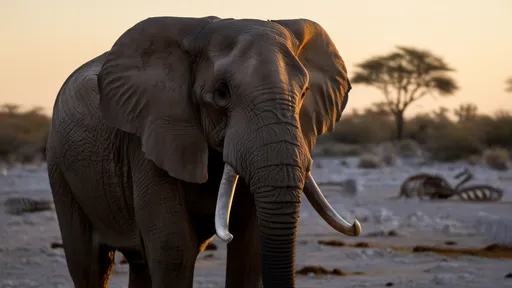
In the vast tapestry of the animal kingdom, few creatures command as much awe and fascination as the elephant. These gentle giants, with their wrinkled skin and wise eyes, have long been revered across cultures for their intelligence and emotional depth. But perhaps their most extraordinary trait lies in the recesses of their magnificent minds – a memory so powerful and precise that it has earned them the title of memory champions of the animal world. This isn't merely anecdotal folklore; it is a well-documented scientific reality that continues to astonish researchers and observers alike.

The elephant's memory is not a single, monolithic ability but a complex suite of cognitive functions. It encompasses spatial memory, allowing them to traverse hundreds of miles in search of food and water, following ancient migratory routes etched into their collective consciousness over generations. It includes social memory, enabling them to recognize and remember the distinct calls and scents of hundreds of other elephants, even after decades of separation. This profound recall is the very glue that holds their intricate matriarchal societies together. A matriarch, often the oldest and most experienced female, doesn't just lead; she is a living library of survival knowledge. She remembers the location of distant waterholes that only fill after rare rains, she recalls which humans were friendly and which were hostile, and she passes this critical information down to her daughters and granddaughters, ensuring the family's survival through droughts, famines, and other hardships.

Scientific exploration into this phenomenon has yielded compelling evidence. Researchers like Dr. Cynthia Moss, who spent decades studying elephants in Amboseli National Park, Kenya, documented numerous instances of incredible recall. Elephants have been observed reacting strongly to the bones or tusks of long-deceased relatives, gently touching them with their trunks in what appears to be a ritual of recognition and mourning. In one famous case, two elephants, Shirley and Jenny, were reunited at The Elephant Sanctuary in Tennessee after spending over 20 years apart. They had performed together in a circus for a brief period when Jenny was a calf. Upon meeting again, the two animals displayed immediate and overwhelming signs of recognition and joy, rumbling, trumpeting, and intertwining their trunks in a heartfelt reunion that suggested a bond preserved perfectly in memory for two decades.

This exceptional memory is deeply intertwined with the elephant's complex emotional life. They are known to experience joy, grief, compassion, and even what appears to be post-traumatic stress. Elephants that have witnessed culling operations or attacks on their family members can display symptoms of severe psychological trauma for years afterward. This emotional memory shapes their behavior, making them cautious, and in some cases, aggressive towards humans or specific situations that trigger these painful recollections. Conversely, they also remember acts of kindness. There are countless stories of elephants returning to the villages or individuals who helped them when they were injured, sometimes many years later, as if to express gratitude. This fusion of deep emotion with long-term memory is a rarity in the animal kingdom and is a cornerstone of their social intelligence.

The physical architecture of the elephant's brain provides some clues to this prowess. Proportionally large and boasting a highly convoluted cortex similar to that of humans, dolphins, and great apes, the elephant brain contains a vast number of neurons. A key structure, the hippocampus – crucial for memory formation in mammals – is particularly developed and dense with neurons. This suggests a neural hardware specifically optimized for the long-term storage and retrieval of massive amounts of information. Their evolution as long-lived, social, and nomadic creatures placed a premium on the ability to remember. In an environment where resources are scattered and unpredictable, remembering the location of a distant water source or a grove of fruiting trees from a previous season is not just useful; it is a matter of life and death. Similarly, in a society built on deep, lifelong bonds, remembering your friends, family, and rivals is essential for maintaining social harmony and cooperation.

However, the very strength of their memory also makes them profoundly vulnerable in the modern world. Elephants do not forget trauma. Poaching, human-wildlife conflict, and habitat destruction inflict deep psychological wounds on individuals and fracture the social fabric of herds. When a matriarch is killed, the family group doesn't just lose its leader; it loses its primary repository of knowledge – its map to survival. The younger, inexperienced elephants are left disoriented, often struggling to find food and water, and more likely to come into destructive conflict with human populations. This tragic consequence highlights that their memory is not a mere curiosity; it is an ecological and evolutionary adaptation that is now being severely tested.

Understanding the elephant's memory does more than satisfy our curiosity about animal intelligence. It forces a moral reckoning. These are beings with rich inner lives, shaped by a past they vividly remember. They mourn their dead, celebrate reunions, teach their young, and bear the scars of past trauma. Recognizing this compels us to treat them with greater respect, compassion, and urgency in our conservation efforts. Protecting elephants is not just about saving a species; it's about preserving ancient cultures, complex societies, and the living memories of some of the planet's most intelligent inhabitants. Their incredible minds, capable of holding onto decades of experience, remind us of the deep, enduring connections that bind all intelligent life on Earth, and the profound responsibility we have to protect it.
Recommend Posts
Animal

Dolphin Self-Awareness: Cognitive Studies of Marine Mammals

By /Aug 21, 2025

In the vast and mysterious depths of the world's oceans, marine mammals have long captivated human imagination with their intelligence and complex behaviors. Among these creatures, dolphins stand out as particularly fascinating subjects of study, not only for their playful antics and social structures but also for their remarkable cognitive abilities. Research into dolphin cognition has steadily advanced over the decades, revealing insights that challenge our understanding of consciousness and self-awareness in non-human animals. These findings not only enrich our knowledge of marine life but also provoke deeper ethical and philosophical questions about our relationship with other intelligent beings on this planet.
Animal

Parrot's Language Abilities: The Bird's Talent for Sound Imitation

By /Aug 21, 2025

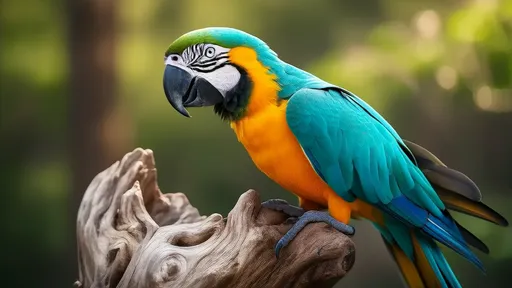
In the dense rainforests of Australia, a sudden burst of human laughter echoes through the canopy, followed by a perfect imitation of a chainsaw's roar. This auditory illusion is not the work of a prankster forester but the vocal mastery of a wild parrot, one of nature's most astonishing acoustic mimics. For centuries, the ability of parrots to replicate human speech, environmental sounds, and even musical melodies has captivated scientists and pet owners alike, positioning these birds as the undisputed vocal geniuses of the avian world.
Animal

Phenological Changes: Animal Adaptations in Seasonal Transitions

By /Aug 21, 2025

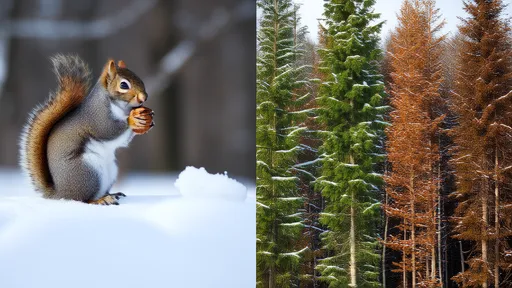
As the seasons turn, the natural world undergoes a profound transformation, a silent symphony of change dictated by the subtle cues of temperature, light, and weather. This rhythmic dance of life, known as phenology, governs the behaviors and physiological adaptations of countless animal species across the globe. From the first buds of spring to the frost-laden silence of winter, animals have evolved intricate strategies to not just survive, but thrive amidst these cyclical shifts. Their adaptations are a testament to millions of years of evolutionary fine-tuning, a deep, ingrained response to the Earth's eternal rhythm.
Animal

Coral Bleaching Crisis: An Ecological Warning of Ocean Warming

By /Aug 21, 2025

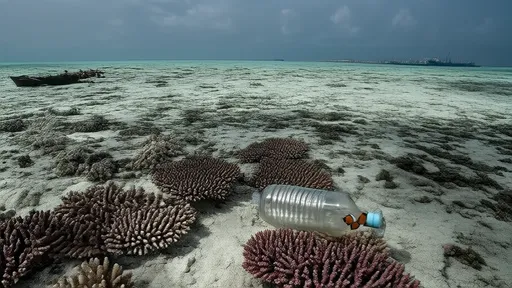
The vibrant coral reefs that have long captivated marine biologists and casual snorkelers alike are undergoing a silent, profound crisis. Across the globe, from the Great Barrier Reef to the Caribbean Sea, these underwater metropolises are losing their color and their vitality in a process known as coral bleaching. This phenomenon is not a minor fluctuation in ocean health; it is a stark and urgent warning signal from our planet's oceans, indicating a fundamental disruption caused primarily by warming sea temperatures.
Animal

The Intelligence of Crows: A Study on Problem-Solving Abilities in Birds

By /Aug 21, 2025

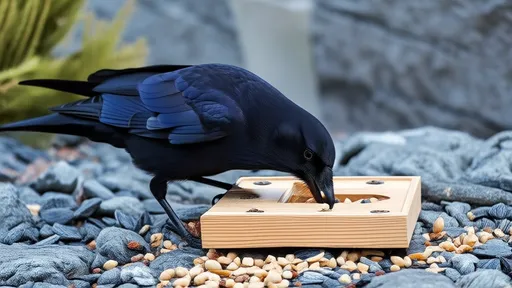
In the quiet moments of dawn, as the first light filters through the trees, a familiar black silhouette often perches on a branch, observing the world with an unsettling intelligence. For centuries, crows and their corvid relatives have been woven into our folklore and myths, often as omens or tricksters. Yet, it is only in recent decades that science has begun to unravel the true depth of their cognitive abilities, revealing that these birds are not merely instinct-driven creatures but possess a problem-solving prowess that rivals that of many mammals, including in some cases, young children.
Animal

Climate Change Impacts: Survival Challenges for Polar Animals

By /Aug 21, 2025

The vast, frozen expanses of the Arctic and Antarctic have long been realms of myth and extreme survival, home to species exquisitely adapted to life in the cold. For millennia, the polar bear, the emperor penguin, the Arctic fox, and a host of other creatures have thrived in these harsh environments, their lives dictated by the relentless rhythm of sea ice. Today, however, that rhythm is faltering, thrown into disarray by the pervasive and accelerating impacts of climate change. The very foundation of these frozen ecosystems is literally melting away, presenting a cascade of survival challenges that threaten the future of the planet's most iconic polar animals.
Animal

Tool Use in Gorillas: Technological Innovation in Primates

By /Aug 21, 2025

In the dense rainforests of West Africa, a quiet revolution in our understanding of animal intelligence is unfolding. For decades, the ability to create and use tools was considered a defining hallmark of humanity, a cognitive Rubicon separating us from the rest of the animal kingdom. This long-held belief has been systematically dismantled by decades of meticulous field research, revealing that our closest living relatives, the great apes, are not mere instinct-driven creatures but sophisticated technologists in their own right. The study of primate tool use has evolved from noting curious anecdotes to documenting complex, learned cultural traditions that are reshaping the very definitions of technology and innovation.
Animal

Changes in Migration Patterns: Adjustments in Animal Behavior Influenced by Climate"

By /Aug 21, 2025

As the planet's climate continues to undergo significant shifts, the natural world is responding in ways both subtle and profound. Among the most telling indicators of these changes are the behavioral adjustments observed in animal species across the globe. Migration, a deeply ingrained instinct for countless creatures, is being reshaped not over millennia, but within mere decades, forcing scientists and conservationists to rethink traditional models of animal movement and survival.
Animal

Resolving Human-Wildlife Conflicts: The Path to Peaceful Coexistence in Shared Spaces

By /Aug 21, 2025

In the quiet hours before dawn, a farmer in rural India steps outside to find an elephant browsing through his crops. Half a world away, a suburban family in Colorado watches a black bear rummage through their trash bins. These scenes, once rare, have become increasingly common flashpoints in the complex and evolving relationship between humans and wildlife. As human populations expand and natural habitats shrink, our worlds are colliding with unprecedented frequency, creating a critical need for innovative approaches to coexistence.
Animal

Animal Reintroduction Program: Challenges of Captive Animals in the Wild

By /Aug 21, 2025

The soft rustle of leaves underfoot, the distant call of a wild counterpart, the unscripted dance of survival—for animals raised in captivity, the dream of returning to nature is both a profound hope and an immense challenge. Animal reintroduction programs represent one of conservation's most ambitious and heart-wrenching frontiers. These initiatives aim to reverse the tide of extinction by taking creatures born or long-held in the sterile safety of zoos, sanctuaries, and breeding centers and plunging them into the unpredictable theatre of the wild. The goal is noble: to bolster dwindling populations, restore ecological balance, and right a wrong humanity often inflicted. Yet, the path from a cage to a territory is fraught with peril, a complex journey that tests the very limits of an animal's instinct and our own understanding of what it means to be truly wild.
Animal

Endangered Species Breeding: Artificial Assistance for Natural Continuation

By /Aug 21, 2025

In the shadow of mass extinction, a quiet revolution is unfolding within conservation biology. The practice of breeding endangered species, once a desperate last resort, has evolved into a sophisticated discipline that blends cutting-edge science with profound ecological understanding. This is not about playing God or creating zoo curiosities; it is about providing a lifeline—an artificial assist to natural continuity—for species teetering on the brink of oblivion. The mission is clear yet monumental: to use human ingenuity to bridge gaps in broken ecosystems, stabilize plummeting populations, and ultimately return self-sustaining generations to the wild.
Animal

Elephant's Memory: The Memory Champion of the Animal Kingdom

By /Aug 21, 2025

In the vast tapestry of the animal kingdom, few creatures command as much awe and fascination as the elephant. These gentle giants, with their wrinkled skin and wise eyes, have long been revered across cultures for their intelligence and emotional depth. But perhaps their most extraordinary trait lies in the recesses of their magnificent minds – a memory so powerful and precise that it has earned them the title of memory champions of the animal world. This isn't merely anecdotal folklore; it is a well-documented scientific reality that continues to astonish researchers and observers alike.
Animal

Future Prospects: The Integration of Technology and Traditional Animal Conservation

By /Aug 21, 2025

In the misty highlands of Kenya, a Maasai elder raises his weathered hand to shield his eyes from the morning sun. For generations, his people have tracked wildlife through dust and memory, reading the land like a living manuscript. A thousand miles away, a conservation biologist in San Francisco adjusts her virtual reality headset, watching the same herd migrate as pulsating dots on a digital map. These two worlds, seemingly separated by time and technology, are converging in what may become the most significant revolution in wildlife conservation since the establishment of the first national parks.
Animal

Wildlife Rehabilitation: The Journey of Injured Animals Back to Nature

By /Aug 21, 2025

In the quiet corners of our world, where human expansion often intersects with fragile ecosystems, a silent but vital mission unfolds daily. Wildlife rehabilitation centers stand as beacons of hope for injured, orphaned, or ill wild animals, offering them a second chance at life in their natural habitats. The journey from rescue to release is a profound testament to human compassion and scientific dedication, weaving together veterinary medicine, behavioral science, and ecological stewardship into a seamless tapestry of care.
Animal

Animal Rescue Stories: Warm Records of Life Miracles

By /Aug 21, 2025

In the quiet hours before dawn, when the world seems to hold its breath, a different kind of heartbeat echoes through the corridors of animal rescue centers and along the lonely stretches of road where hope is often a scarce commodity. These are the places where miracles are not merely wished for but forged through the relentless compassion of those who refuse to look away from suffering. The stories that emerge are not just tales of survival; they are profound testaments to the resilience of life and the transformative power of empathy, each one a unique narrative stitched into the broader tapestry of what it means to be human in a world we share with countless other beings.
Animal

Ecosystem Response: Natural Regulatory Mechanisms to Global Warming

By /Aug 21, 2025

As the planet warms at an unprecedented rate, the intricate dance between climate change and Earth's ecosystems reveals a complex narrative of response and adaptation. Far from being passive victims of anthropogenic interference, natural systems are actively engaging in a series of feedback processes that either amplify or mitigate the effects of global warming. This dynamic interplay, often overlooked in simplified climate narratives, underscores the resilience and inherent regulatory mechanisms embedded within the biosphere. Understanding these natural responses is not merely an academic exercise; it is crucial for refining climate models, informing policy decisions, and grasping the full scope of our planetary future.
Animal

The Transformation of Zoos: From Exhibition to Conservation

By /Aug 21, 2025

For generations, the word "zoo" conjured images of iron bars and concrete enclosures, places where exotic animals were put on display for human amusement. Families would stroll from cage to cage, peering in at creatures from distant lands, often with little context or understanding of their natural behaviors or the dire circumstances many faced in the wild. These institutions were, in their essence, living museums of biodiversity, but their primary function was undeniably entertainment and spectacle. The animals were exhibits, their value measured by their ability to draw crowds and curiosity.
Animal

Urban Wildlife: Natural Neighbors in the Concrete Jungle

By /Aug 21, 2025

In the heart of our bustling metropolises, where steel and glass dominate the skyline, an unexpected coexistence thrives. Urban wildlife, often overlooked, has become an integral part of city ecosystems, adapting with remarkable resilience to the concrete jungles we have built. From raccoons rummaging through trash bins to peregrine falcons nesting on skyscrapers, these creatures are not mere interlopers but true neighbors, carving out niches in the most unlikely of places.
Animal

The Importance of Protecting Education: Cultivating the Next Generation of Nature Guardians

By /Aug 21, 2025

In the quiet rustle of leaves and the gentle flow of rivers lies a legacy that has been passed down through generations—a deep, intrinsic connection to the natural world. Yet, as modernity accelerates, this bond faces unprecedented strain. The urgency to protect our environment is no longer a distant concern but a pressing reality, and at the heart of this endeavor lies education. By embedding environmental stewardship into the fabric of learning, we can cultivate not just informed citizens, but passionate guardians of nature among the next generation.
Animal

Protecting Volunteers: The Unsung Heroes of Wildlife Conservation

By /Aug 21, 2025

In the vast and untamed wilderness, where the rhythm of nature beats with primal intensity, there exists a cadre of unsung heroes whose dedication often goes unnoticed by the world. These are the wildlife protection volunteers, the guardians of Earth’s most vulnerable creatures. Their work is not glamorous; it is fraught with danger, solitude, and immense emotional weight. Yet, they persevere, driven by a profound love for the natural world and a steadfast commitment to preserving its integrity for generations to come.