In the quiet corners of our world, where human expansion often intersects with fragile ecosystems, a silent but vital mission unfolds daily. Wildlife rehabilitation centers stand as beacons of hope for injured, orphaned, or ill wild animals, offering them a second chance at life in their natural habitats. The journey from rescue to release is a profound testament to human compassion and scientific dedication, weaving together veterinary medicine, behavioral science, and ecological stewardship into a seamless tapestry of care.
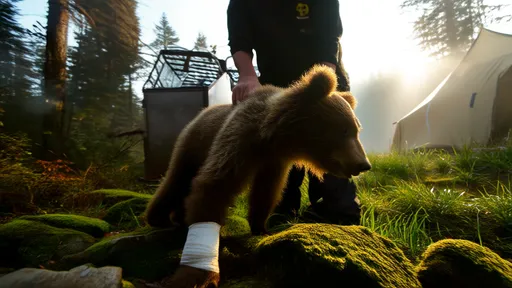
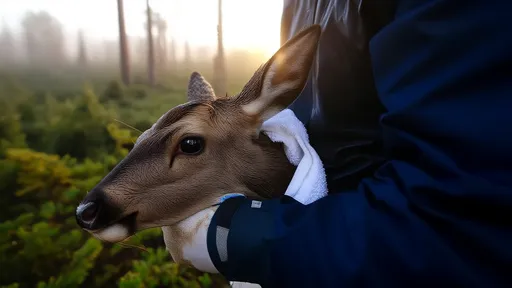
When an animal first arrives at a rehabilitation facility, it is often in a state of distress—whether from trauma, malnutrition, or illness. The initial assessment is critical; veterinarians and trained rehabilitators conduct thorough examinations to diagnose injuries and determine the appropriate course of treatment. This phase requires immense sensitivity, as wild animals are inherently fearful of humans, and stress can exacerbate their conditions. Sedation or gentle handling techniques are employed to minimize discomfort during procedures such as X-rays, wound cleaning, or setting fractures. The goal is not only to heal the body but also to preserve the wild spirit of the creature, ensuring it remains wary of humans—a trait essential for survival upon release.
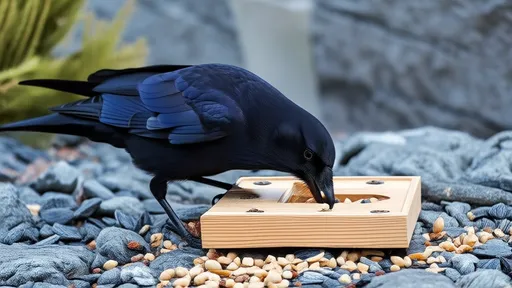
Rehabilitation is far more than medical intervention; it is a holistic process that addresses the physical, psychological, and nutritional needs of each species. For example, an orphaned fox kit requires not only formula feeding but also exposure to natural foods and behaviors it would learn from its parents. Similarly, a bird with a broken wing must rebuild muscle strength through carefully monitored flight exercises in large enclosures. Rehabilitators often act as surrogate parents or guides, providing enrichment activities that mimic natural challenges—hiding food, introducing elements like branches or water features, and even using mirrors or recordings to simulate the presence of conspecifics. This meticulous preparation ensures that animals retain their innate instincts and can forage, hunt, or evade predators effectively.
As animals progress through recovery, they transition to pre-release enclosures that closely replicate their native environments. These spaces are designed to be spacious and stimulating, allowing residents to practice skills without direct human interaction. For aquatic species like turtles or otters, this might mean access to ponds with live fish; for raptors, large flight cages with perches and hiding spots. During this phase, human contact is minimized to prevent habituation—a process where animals lose their natural fear of people, which could prove fatal in the wild. Rehabilitators observe from a distance, noting behaviors that indicate readiness for independence, such as successful hunting, social interactions, or territorial displays.
The culmination of this arduous journey is the release day—a moment charged with emotion and purpose. Site selection is paramount; animals are returned to locations that match their ecological needs, considering factors like food availability, habitat quality, and proximity to potential threats (e.g., roads or predators). Some species, like migratory birds, may be released in groups to facilitate natural navigation, while solitary creatures like bobcats are set free alone. The actual release is often swift and quiet, allowing the animal to bolt into its environment without hesitation. Post-release monitoring, when possible, provides valuable data on success rates and informs future practices. Tracking devices or occasional sightings help rehabilitators confirm that their former patients are thriving.
Behind every successful rehabilitation lies a network of unsung heroes: veterinarians who donate their expertise, volunteers who clean enclosures and prepare diets, and donors who fund critical resources. Yet the challenges are immense. Wildlife rehabilitators operate with limited resources and face ethical dilemmas, such as whether an animal too severely injured can ever truly return to the wild. Euthanasia is sometimes the kindest option when quality of life cannot be ensured. Moreover, rehabilitation is not a solution to overarching threats like habitat loss or climate change; it is a palliative measure in a broader conservation context. Educating the public about coexisting with wildlife—such as securing trash to avoid attracting bears or using bird-safe windows—is equally crucial to reducing the number of animals in need of rescue.
In the end, wildlife rehabilitation is a profound expression of empathy and respect for nature’s resilience. Each release symbolizes a small victory—a life reclaimed, a balance restored. It reminds us that our actions have consequences, but also that we possess the power to mend what is broken. As urban areas expand and human-wildlife conflicts increase, the role of rehabilitators becomes ever more vital. They are the guardians of the wild, ensuring that even in a changing world, the ancient rhythm of life continues to beat strong.
By /Aug 21, 2025
By /Aug 21, 2025
By /Aug 21, 2025
By /Aug 21, 2025
By /Aug 21, 2025
By /Aug 21, 2025
By /Aug 21, 2025
By /Aug 21, 2025
By /Aug 21, 2025

By /Aug 21, 2025
By /Aug 21, 2025
By /Aug 21, 2025

By /Aug 21, 2025
By /Aug 21, 2025
By /Aug 21, 2025

By /Aug 21, 2025
By /Aug 21, 2025
By /Aug 21, 2025
By /Aug 21, 2025
By /Aug 21, 2025
