In the vast and untamed wilderness, where the rhythm of nature beats with primal intensity, there exists a cadre of unsung heroes whose dedication often goes unnoticed by the world. These are the wildlife protection volunteers, the guardians of Earth’s most vulnerable creatures. Their work is not glamorous; it is fraught with danger, solitude, and immense emotional weight. Yet, they persevere, driven by a profound love for the natural world and a steadfast commitment to preserving its integrity for generations to come.
The life of a wildlife protection volunteer is one of sacrifice and resilience. Many leave behind comfortable lives, stable careers, and the familiarity of urban environments to immerse themselves in remote, often harsh landscapes. From the dense rainforests of the Amazon to the arid plains of Africa, these individuals stand on the front lines of conservation, acting as a buffer between wildlife and the myriad threats they face. Their days are long and demanding, filled with tasks that range from monitoring animal populations and rehabilitating injured creatures to dismantling poachers’ traps and educating local communities.
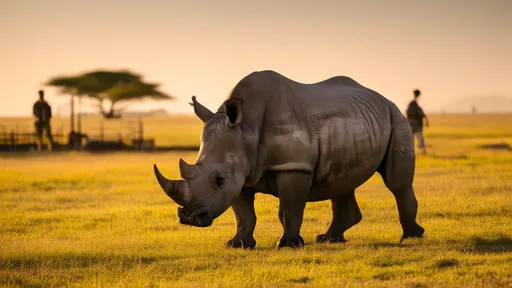
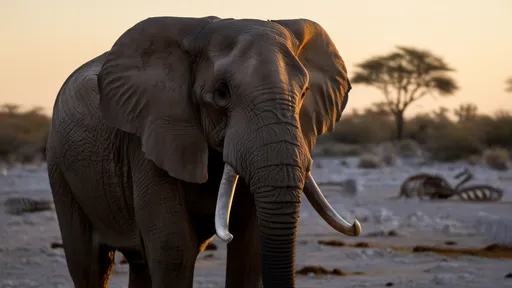
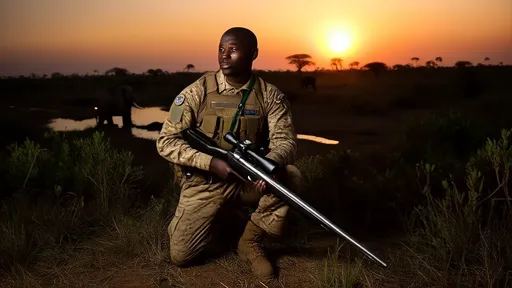
One of the most perilous aspects of their role is the constant battle against poaching. Illegal hunting remains a devastating force, decimating populations of iconic species like elephants, rhinos, and tigers. Volunteers often work alongside rangers, conducting patrols through treacherous terrain under the cover of darkness, knowing that each step could bring them face-to-face with armed and dangerous criminals. The stakes are incredibly high; every year, lives are lost in this silent war. Despite the risks, these volunteers press on, motivated by the belief that every animal saved is a victory for the planet.
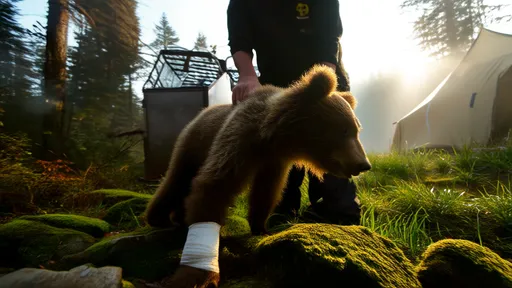
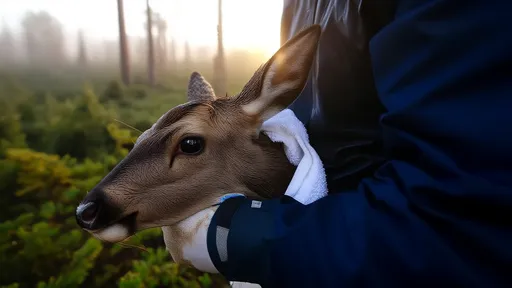
Beyond confronting poachers, volunteers engage in the delicate and heart-wrenching work of rescue and rehabilitation. When animals are found injured—whether from snares, conflicts with humans, or illness—these caregivers provide critical medical attention and nurturing. The process requires not only scientific knowledge but also immense empathy. Rehabilitating a traumatized animal demands patience and a deep understanding of its behavior and needs. Success is never guaranteed, but when a healed animal is returned to the wild, it represents a profound triumph against the odds.
Education and community outreach form another cornerstone of their efforts. Lasting conservation cannot be achieved without the support and involvement of local populations. Volunteers often work to bridge gaps between communities and conservation goals, teaching sustainable practices and highlighting the economic and ecological benefits of preserving wildlife. They strive to transform poachers into protectors, offering alternative livelihoods that do not rely on the exploitation of nature. This aspect of their work is slow and often frustrating, but it is essential for fostering a culture of coexistence.
The emotional toll on these volunteers is immense. They witness firsthand the brutality of wildlife crime: orphaned elephant calves mourning their slaughtered mothers, rhinos mutilated for their horns, and big cats suffering in illegal trade. They also experience the heartbreak of failed rescues and the relentless pressure of limited resources. Burnout is common, and many struggle with the psychological weight of their chosen path. Yet, they find strength in small victories—the successful release of a rehabilitated animal, the discovery of a new-born in a threatened population, or a community beginning to embrace conservation principles.
Technological innovation has become a vital ally in their mission. Drones, camera traps, and GPS tracking devices have revolutionized monitoring and anti-poaching efforts, allowing volunteers to cover vast areas more efficiently and safely. Data collected through these technologies provides invaluable insights into animal behavior and population dynamics, informing broader conservation strategies. However, technology is no substitute for boots on the ground; it merely enhances the effectiveness of those willing to brave the elements and the dangers.
Funding and resources remain perennial challenges. Many volunteer programs operate on shoestring budgets, relying on donations and grants to sustain their operations. Volunteers often dip into their own savings to support their work, and equipment is frequently outdated or in short supply. This lack of support stands in stark contrast to the scale of the crisis facing global wildlife. Despite these hurdles, the dedication of these individuals never wavers. Their passion is the engine that drives conservation forward, even when institutional support falls short.
The stories of these volunteers are as diverse as the ecosystems they protect. Some are lifelong conservationists with advanced degrees in biology or ecology; others are ordinary people who felt a calling to make a difference. There are retirees spending their golden years guarding sea turtle nests, young graduates deferring corporate careers to track jaguars, and local villagers who have become the fiercest advocates for their native wildlife. What unites them is a shared recognition that the fate of countless species hangs in the balance, and that individual action can indeed alter the course of history.
In the end, wildlife protection volunteers are the embodiment of hope in a world increasingly scarred by environmental degradation. They remind us that conservation is not just the responsibility of governments or large organizations—it is a duty shared by all of humanity. Their courage, compassion, and unwavering commitment serve as a powerful testament to the impact that one person can have. They may not seek recognition, but their contributions echo through the forests, oceans, and plains, safeguarding the irreplaceable beauty and biodiversity of our planet.
As we go about our daily lives, it is crucial to remember these anonymous guardians. They stand watch while we sleep, endure hardships we can scarcely imagine, and fight battles that often go unreported. Supporting them—through awareness, donations, or advocacy—is not just an act of charity; it is an investment in the future of our natural world. The silent work of these volunteers ensures that wild places and creatures will continue to thrive, offering wonder and inspiration to all who cherish the Earth.
By /Aug 21, 2025
By /Aug 21, 2025

By /Aug 21, 2025
By /Aug 21, 2025

By /Aug 21, 2025
By /Aug 21, 2025
By /Aug 21, 2025
By /Aug 21, 2025
By /Aug 21, 2025

By /Aug 21, 2025
By /Aug 21, 2025
By /Aug 21, 2025

By /Aug 21, 2025
By /Aug 21, 2025
By /Aug 21, 2025

By /Aug 21, 2025
By /Aug 21, 2025
By /Aug 21, 2025

By /Aug 21, 2025
By /Aug 21, 2025
