As the planet warms at an unprecedented rate, the intricate dance between climate change and Earth's ecosystems reveals a complex narrative of response and adaptation. Far from being passive victims of anthropogenic interference, natural systems are actively engaging in a series of feedback processes that either amplify or mitigate the effects of global warming. This dynamic interplay, often overlooked in simplified climate narratives, underscores the resilience and inherent regulatory mechanisms embedded within the biosphere. Understanding these natural responses is not merely an academic exercise; it is crucial for refining climate models, informing policy decisions, and grasping the full scope of our planetary future.
The concept of a static, unchanging nature is a profound misconception. Ecosystems are, and always have been, in a state of flux, responding to a multitude of forces. Global warming represents perhaps the most rapid and widespread forcing event in recent geological history. In response, biological and physical systems are activating a suite of processes that attempt to restore equilibrium. These are not conscious acts but rather emergent properties of complex, interconnected systems operating on principles of physics, chemistry, and biology. From the vast expanses of the oceans to the dense canopies of tropical forests, nature is deploying its ancient toolkit to manage the heat.
One of the most significant and direct responses comes from the planet's primary producers: plants. Through the fundamental process of photosynthesis, vegetation acts as a massive carbon sink, drawing down billions of tons of carbon dioxide from the atmosphere annually. Research indicates that with higher concentrations of CO2—a key condition for plant growth—many ecosystems experience a phenomenon known as carbon fertilization. Forests, grasslands, and even phytoplankton in the oceans can potentially increase their rate of photosynthesis, thus sequestering more carbon and providing a negative feedback to warming. This greening effect, observed via satellite imagery over recent decades, represents a powerful biotic brake on the acceleration of climate change.
However, this mechanism is not a limitless solution. Its efficacy is constrained by nutrient availability, particularly nitrogen and phosphorus. In many regions, soils cannot provide enough nutrients to sustain rampant growth fueled by excess CO2, leading to a saturation of the carbon sink potential. Furthermore, the positive effects of carbon fertilization can be offset by the increasing prevalence of climate-induced stressors. More frequent and intense droughts, heatwaves, and wildfires can cause large-scale vegetation die-off, not only halting carbon uptake but releasing vast stores of sequestered carbon back into the atmosphere, creating a dangerous positive feedback loop.
The world's oceans, covering seventy percent of the Earth's surface, play an equally critical and dual role. They are the planet's largest active carbon sink, absorbing approximately a quarter of anthropogenic CO2 emissions. This occurs through both physical and biological pumps. The physical solution of CO2 in seawater is a direct chemical response to atmospheric concentrations. Meanwhile, the biological pump involves marine organisms—from tiny algae to large fish—that incorporate carbon into their bodies and shells. When these organisms die, they sink, transporting carbon to the deep ocean where it can be stored for centuries. This process is a cornerstone of the planet's natural climate regulation.
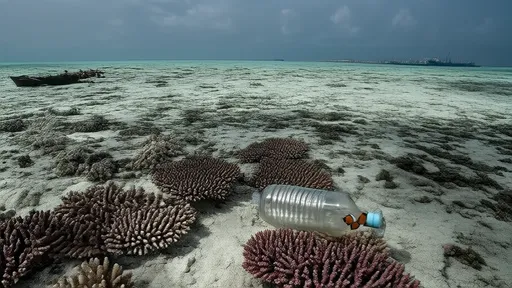
Yet, this service comes at a grave cost: ocean acidification. The same CO2 that dissolves in seawater forms carbonic acid, lowering the pH of the ocean. This chemical change poses an existential threat to marine life, particularly calcifying organisms like corals, mollusks, and some plankton species that struggle to build their shells and skeletons in more acidic waters. The degradation of coral reefs, which are biodiversity hotspots and crucial coastal protectors, is a stark reminder that nature's regulatory mechanisms can have severe collateral damage. The ocean's capacity to continue absorbing carbon is also finite; as surface waters warm, their ability to hold dissolved gases decreases, potentially weakening this critical sink in the future.
On land, another less visible but vital process is underway in the soils beneath our feet. Soil represents a massive reservoir of organic carbon, holding more than the atmosphere and all plant life combined. The metabolism of countless microorganisms, fungi, and invertebrates determines whether this carbon remains locked away or is mineralized and released as CO2 or methane. Warming temperatures generally accelerate microbial decomposition, threatening to unlock this vast carbon store and create another powerful positive feedback. However, emerging science suggests a more nuanced picture. Some evidence points to microbial adaptation over time, and the potential for increased plant litter input from carbon fertilization to add new, more resistant forms of carbon to the soil, potentially stabilizing or even growing these underground stocks.
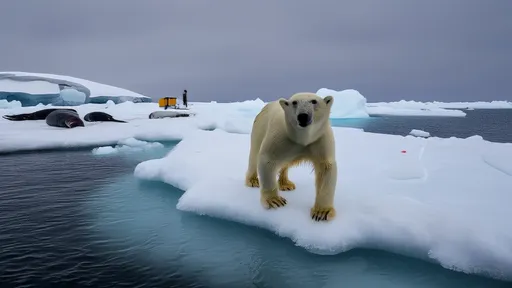
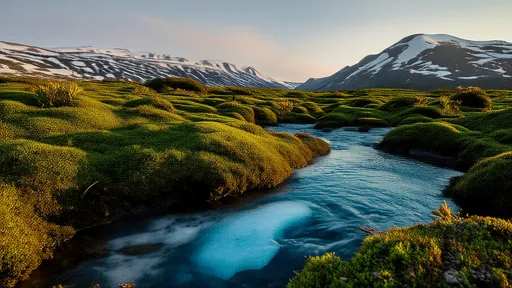
The role of the cryosphere—Earth's frozen regions—is perhaps the most dramatic and alarming. Ice and snow possess a high albedo, meaning they reflect a significant amount of solar radiation back into space. As global temperatures rise, ice sheets, glaciers, and sea ice melt, revealing darker land and ocean surfaces beneath. These darker surfaces absorb far more heat, accelerating regional warming and leading to further ice loss. This ice-albedo feedback is a potent positive feedback loop that is a primary driver of amplified warming in the Arctic, which is heating up at more than twice the global average rate. The melting permafrost in these regions introduces a second major threat: the release of ancient, stored methane, a greenhouse gas over twenty-five times more potent than CO2 over a century.
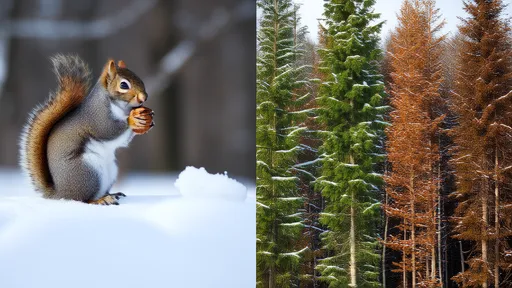
Amidst these large-scale geophysical processes, the behavior of species adds another layer of complexity to the ecosystem response. Phenological shifts—changes in the timing of natural events—are widespread. Many plant species are budding and flowering earlier in the spring, while animal migration and breeding patterns are altering. These shifts can disrupt delicate ecological synchronies, such as the match between the emergence of insect pollinators and the flowering of plants, or between the birth of offspring and the peak availability of food. Such trophic mismatches can lead to population declines, reducing the resilience of ecosystems and their ability to function effectively, including their role in carbon cycling.
In conclusion, the Earth's response to global warming is a tapestry woven from countless threads of negative and positive feedbacks. The natural world is not a silent bystander but an active participant in the climate drama, employing mechanisms like enhanced carbon sequestration, oceanic absorption, and soil storage to counteract warming. Yet, these very efforts are increasingly strained and can themselves trigger detrimental consequences, from ocean acidification to the release of ancient greenhouse gases. The overarching narrative is one of a system under immense stress, fighting to maintain balance with tools that are being blunted by the scale and speed of human impact. Recognizing the sophistication and limits of these natural regulatory mechanisms is paramount. It highlights the urgency of reducing emissions to avoid overwhelming the very systems that have, for millennia, granted our planet its stability and habitability. The dialogue between humanity and nature continues, but the stakes have never been higher.

By /Aug 21, 2025

By /Aug 21, 2025
By /Aug 21, 2025
By /Aug 21, 2025

By /Aug 21, 2025
By /Aug 21, 2025

By /Aug 21, 2025

By /Aug 21, 2025

By /Aug 21, 2025

By /Aug 21, 2025
By /Aug 21, 2025
By /Aug 21, 2025

By /Aug 21, 2025

By /Aug 21, 2025

By /Aug 21, 2025
By /Aug 21, 2025
By /Aug 21, 2025

By /Aug 21, 2025

By /Aug 21, 2025

By /Aug 21, 2025
