For generations, the word "zoo" conjured images of iron bars and concrete enclosures, places where exotic animals were put on display for human amusement. Families would stroll from cage to cage, peering in at creatures from distant lands, often with little context or understanding of their natural behaviors or the dire circumstances many faced in the wild. These institutions were, in their essence, living museums of biodiversity, but their primary function was undeniably entertainment and spectacle. The animals were exhibits, their value measured by their ability to draw crowds and curiosity.
However, a profound and necessary shift has been reshaping these institutions from the ground up. A growing global consciousness about conservation, animal welfare, and ecological responsibility has forced a reckoning. The old model, focused solely on exhibition, is increasingly seen as not just outdated, but ethically and environmentally irresponsible. This has sparked a revolutionary transformation, turning the modern zoo from a mere menagerie into a dynamic ark, a vital center for species preservation, scientific research, and public education on the front lines of the biodiversity crisis.
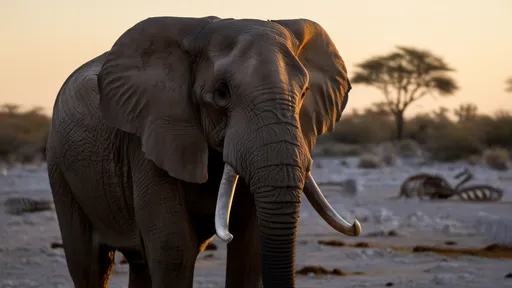
The catalyst for this change is the grim reality of the natural world. We are living through what many scientists are calling the sixth mass extinction, with species disappearing at an alarming rate due to habitat destruction, climate change, poaching, and pollution. This crisis reframed the very purpose of zoological parks. No longer could they be passive collectors; they were compelled to become active protectors. The question evolved from "How can we display this animal?" to the far more urgent and complex: "How can we save this species?"
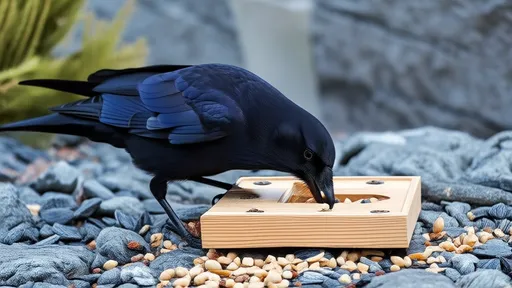
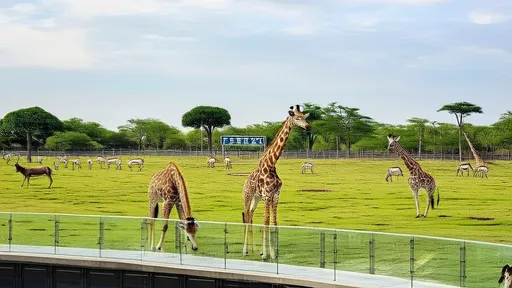
This new mandate is physically manifested in the very design of modern zoo habitats. The bleak, sterile cages of the past have been systematically replaced by immersion exhibits. These expansive, meticulously crafted environments aim to replicate an animal's natural ecosystem as closely as possible. Lush vegetation, complex terrain, flowing water features, and opportunities for seclusion are now standard. The goal is to facilitate natural behaviors—foraging, climbing, swimming, socializing—which is crucial for the animals' psychological and physical well-being. This shift isn't just about aesthetics; it's a fundamental commitment to honoring the innate needs of the creatures in their care.
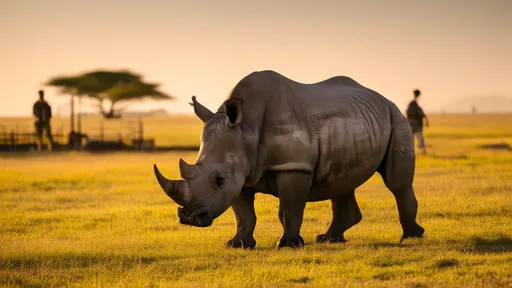
At the heart of the modern zoo's mission is its role as a genetic reservoir. Through coordinated, international Species Survival Plans (SSPs), zoos manage the breeding of endangered species with scientific precision. These programs are akin to carefully orchestrated dating services for conservation, ensuring genetic diversity and demographic health within small, managed populations. The ultimate, lofty goal for many of these programs is the reintroduction of animals into protected wild areas. Success stories, like the return of the Arabian oryx to the deserts of the Middle East or the California condor to North American skies, stand as powerful testaments to what this collaborative, scientific approach can achieve. These animals are not prisoners; they are precious cargo, holding the genetic key to their species' future.
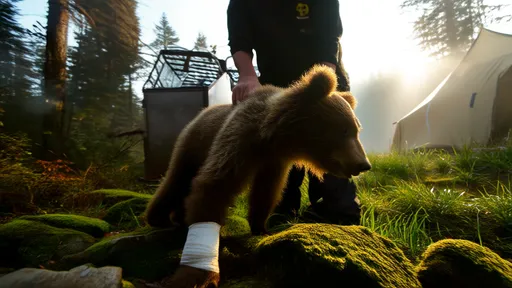
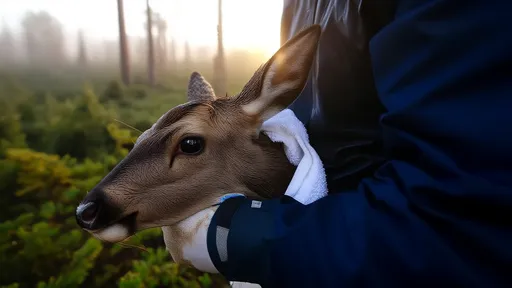
Beyond breeding, zoos have become hubs of cutting-edge scientific inquiry. Veterinarians, nutritionists, reproductive biologists, and behaviorists conduct research that is often impossible to perform in the wild. They develop novel medical treatments, perfect dietary formulas, and unravel the mysteries of animal reproduction. This knowledge is not kept behind zoo walls; it is shared globally, directly informing and improving conservation strategies for wild populations. A vaccine developed for a captive big cat can protect its wild cousins; a breeding technique perfected in a zoo's lab can prevent a species' total collapse.
Perhaps the most powerful tool in the modern zoo's arsenal is education. The old placards with basic facts have been replaced by interactive stations, keeper talks, and compelling storytelling that connects visitors to the plight of wildlife across the globe. Zoos strive to create empathetic ambassadors out of their residents, hoping a visitor's connection with a curious orangutan or a majestic tiger will translate into real-world action—donating to a conservation fund, making sustainable consumer choices, or simply developing a deeper respect for nature. The modern zoo experience is designed to be a catalyst, inspiring the next generation of conservationists and fostering a sense of stewardship for our planet.
This transformation, however, is not without its critics and complexities. Some animal rights advocates argue that no enclosure, no matter how spacious or naturalistic, can truly replicate the freedom of the wild, and that the very concept of captivity is inherently unethical. Furthermore, the immense financial cost of running a modern conservation zoo often leads to high admission prices, potentially creating a barrier to access and making it an elitist experience. Zoos must continuously walk a tightrope, balancing their conservation mission with ethical animal care and public accessibility, all while justifying their existence in the eyes of a skeptical public.
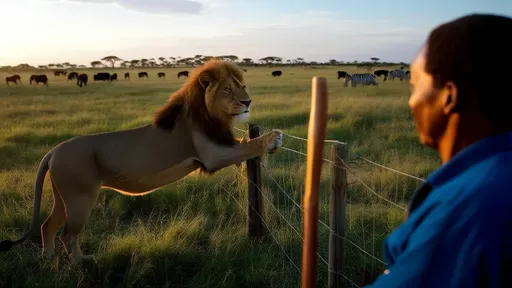
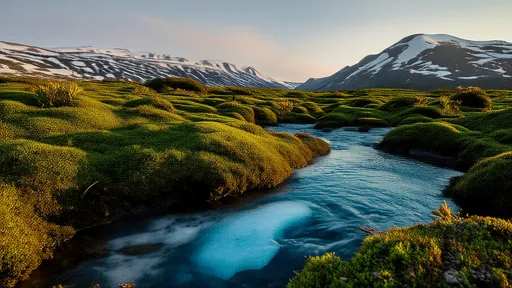
Looking ahead, the role of the zoo will continue to evolve. The focus is expanding from individual animal welfare to the health of entire ecosystems. Many leading institutions now directly fund and manage in-situ conservation projects in the field, protecting vast tracts of wilderness and supporting anti-poaching initiatives. The zoo is becoming the urban portal to these distant, threatened worlds, a place where the public can see, learn, and contribute to saving them. The lines between the zoo and the wild are becoming beautifully, and necessarily, blurred.
The journey from exhibition to protection is a story of redemption and responsibility. It is a recognition that our fascination with the animal kingdom must be coupled with a fierce commitment to its preservation. The modern zoo, in its ideal form, is no longer a sideshow but a sanctuary, a university, a research lab, and a beacon of hope. It stands as a testament to humanity's evolving relationship with nature, a relationship moving from one of dominance and display to one of partnership, respect, and desperate, determined care in the face of an unprecedented ecological emergency.
By /Aug 21, 2025
By /Aug 21, 2025
By /Aug 21, 2025
By /Aug 21, 2025
By /Aug 21, 2025
By /Aug 21, 2025
By /Aug 21, 2025
By /Aug 21, 2025
By /Aug 21, 2025

By /Aug 21, 2025
By /Aug 21, 2025
By /Aug 21, 2025
By /Aug 21, 2025
By /Aug 21, 2025
By /Aug 21, 2025
By /Aug 21, 2025
By /Aug 21, 2025
By /Aug 21, 2025
By /Aug 21, 2025
By /Aug 21, 2025
