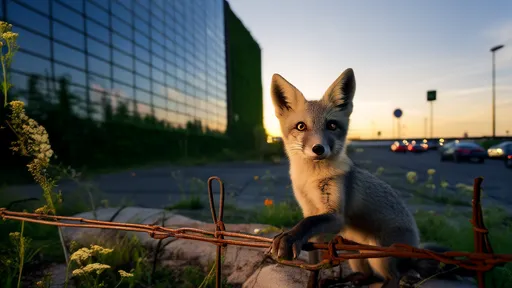
In the heart of our bustling metropolises, where steel and glass dominate the skyline, an unexpected coexistence thrives. Urban wildlife, often overlooked, has become an integral part of city ecosystems, adapting with remarkable resilience to the concrete jungles we have built. From raccoons rummaging through trash bins to peregrine falcons nesting on skyscrapers, these creatures are not mere interlopers but true neighbors, carving out niches in the most unlikely of places.
The adaptation of wildlife to urban environments is a testament to nature's ingenuity. Species like the coyote have expanded their ranges into cities, learning to navigate traffic, avoid human contact, and find food in parks and residential areas. Similarly, birds such as pigeons and sparrows have become so ubiquitous that we scarcely notice them, yet their presence is a clear indicator of how wildlife can flourish amid urbanization. These animals exhibit behavioral shifts—nocturnal activities, altered diets, and increased tolerance to human proximity—that enable their survival in settings far removed from their natural habitats.
However, this proximity is not without its challenges. Conflicts arise when wildlife and human interests collide. Raccoons may tear up gardens, squirrels can cause power outages by chewing on cables, and larger animals like deer sometimes create hazards on roadways. These incidents often lead to calls for removal or control measures, but they also highlight the need for a more nuanced approach to urban planning—one that considers the presence of wildlife and seeks to mitigate conflicts through coexistence strategies rather than eradication.
Beyond the conflicts, there is a growing recognition of the benefits that urban wildlife brings. Green spaces, such as parks and gardens, become richer biodiversity hotspots when inhabited by native species. Birds control insect populations, bees pollinate plants, and even predators like foxes help manage rodent numbers. Moreover, the presence of wildlife offers city dwellers a connection to nature, providing psychological benefits and fostering a sense of environmental stewardship. Studies have shown that encounters with wildlife can reduce stress and increase well-being, reminding us that we are part of a larger ecological web.
Efforts to promote harmony between humans and urban wildlife are gaining momentum worldwide. Cities are implementing wildlife-friendly designs, such as green roofs, animal crossings, and protected nesting sites. Public education campaigns aim to reduce negative interactions by advising residents on secure trash disposal and the importance of not feeding wild animals. These initiatives reflect a shift toward viewing urban areas not as exclusive human domains but as shared landscapes where biodiversity can be nurtured.
Yet, the future of urban wildlife remains uncertain. As cities continue to expand, habitat fragmentation and pollution pose significant threats. Light and noise pollution disrupt animal behaviors, while chemicals in waterways affect aquatic life. Climate change adds another layer of complexity, altering migration patterns and food availability. Addressing these issues requires concerted efforts from policymakers, scientists, and communities to create sustainable urban environments that support both human and animal inhabitants.
In conclusion, the story of urban wildlife is one of adaptation, conflict, and coexistence. These natural neighbors challenge us to rethink our relationship with the environment and to design cities that are not only livable for humans but also hospitable to other species. By embracing this shared space, we can transform our concrete forests into thriving ecosystems where nature and urban life intersect in surprising and meaningful ways.
By /Aug 21, 2025
By /Aug 21, 2025
By /Aug 21, 2025
By /Aug 21, 2025
By /Aug 21, 2025
By /Aug 21, 2025
By /Aug 21, 2025
By /Aug 21, 2025
By /Aug 21, 2025

By /Aug 21, 2025
By /Aug 21, 2025
By /Aug 21, 2025
By /Aug 21, 2025
By /Aug 21, 2025
By /Aug 21, 2025
By /Aug 21, 2025
By /Aug 21, 2025
By /Aug 21, 2025
By /Aug 21, 2025
By /Aug 21, 2025
