In the quiet hours before dawn, when the world seems to hold its breath, a different kind of heartbeat echoes through the corridors of animal rescue centers and along the lonely stretches of road where hope is often a scarce commodity. These are the places where miracles are not merely wished for but forged through the relentless compassion of those who refuse to look away from suffering. The stories that emerge are not just tales of survival; they are profound testaments to the resilience of life and the transformative power of empathy, each one a unique narrative stitched into the broader tapestry of what it means to be human in a world we share with countless other beings.
Consider the story of a dog later named Phoenix, found in a derelict building on the outskirts of a city known more for its industry than its mercy. He was a skeleton draped in matted fur, his eyes clouded with infection and a deep, weary resignation that spoke of months, perhaps years, of neglect. The person who found him, a sanitation worker on an unusual route, almost mistook him for a pile of rags. But a faint, almost imperceptible movement caught their eye. What followed was a frantic call to a local rescue, a race against time, and weeks of intensive veterinary care. Phoenix’s will to live, however, proved stronger than the neglect he had endured. His recovery was slow, a painstaking journey of regained trust and healing, documented by volunteers in a series of photos that showed his eyes gradually clearing, his tail offering a first, hesitant wag. His adoption into a loving home was not an ending, but a new beginning—a life pulled back from the very brink.
Then there are the quieter, less dramatic rescues that are no less miraculous. A colony of feral cats, wary and self-sufficient, living in the shadow of a warehouse slated for demolition. To many, they were invisible, a nuisance to be cleared away. To a network of dedicated trap-neuter-return volunteers, they were lives worth saving. Night after night, they set humane traps, baited with food, patiently waiting to safely capture each cat. They were vaccinated, spayed or neutered, and for those too wild for domestic life, provided with a safer managed colony in a barn sanctuary. For the few kittens and sociable adults, foster homes offered a chance to learn that human hands could bring comfort, not harm. This methodical, unglamorous work prevents immense suffering and controls populations with kindness, a miracle of logistics and love that unfolds one careful step at a time.
The world of animal rescue is also punctuated by large-scale interventions that feel like something from a thriller novel. The raid on a overcrowded, filthy puppy mill hidden in a rural area, where hundreds of dogs of various breeds are kept in tiny, filthy cages, their bodies broken from continuous breeding but their spirits not yet extinguished. The coordinated effort involves law enforcement, veterinarians, and an army of volunteers from multiple shelters. The initial scene is one of overwhelming despair—the stench, the fear in the animals' eyes, the sheer scale of suffering. But the aftermath is where the miracle truly unfolds. Each dog is gently examined, cleaned, fed, and given a name for likely the first time. They learn about soft beds, kind voices, and adequate food. Their rehabilitation is a long road, but for these animals, it is a journey from being mere commodities to becoming cherished individuals. The successful prosecution of the mill owners offers a different kind of victory, a blow struck for justice.
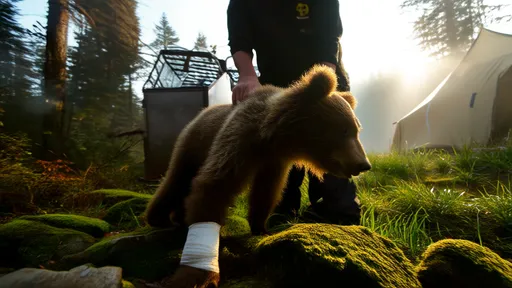
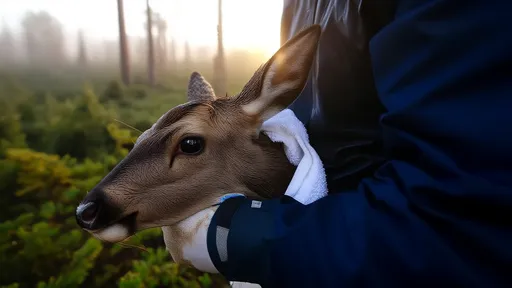
Perhaps the most profound miracles are those of cross-species connection. The elderly, blind pony found abandoned in a field, who forms an inseparable bond with a rescued goat who becomes his guide, the goat leading him to food and water and standing steadfastly by his side. Or the story of a wildlife rehabilitator who spends months nursing a badly injured hawk back to health, only to feel a complex mix of pride and loss upon releasing it back into the wild, watching it soar into the sky—a life returned to its rightful place. These relationships defy simple explanation; they are built on a language of need, care, and mutual comfort that transcends the biological boundaries between us.
Behind every one of these life miracles stands an army of the unsung: the foster families who open their homes and hearts, knowing their charge will one day leave for a forever home, taking a piece of their heart with them. The veterinarians and vet techs who work long hours, often at a financial discount, to mend broken bodies. The donors who give what they can to fund surgeries, food, and shelter. The transport drivers who spend their weekends moving animals from high-kill shelters to regions with higher adoption rates. This vast, interconnected network operates largely out of the spotlight, fueled not by fame or fortune but by a simple, powerful conviction: that every life has intrinsic value and deserves a chance.
These warm records of life's miracles are not fairytales. They are often messy, emotionally draining, and financially taxing endeavors. They are stories of animals who, despite every effort, sometimes cannot be saved, leaving their rescuers with the heavy weight of grief. Yet, the community persists. They understand that for every loss, there are countless others like Phoenix, the warehouse cats, and the mill survivors whose lives are utterly transformed. Each rescue, each adoption, each moment of suffering alleviated is a ripple in a pond, pushing back against the tides of apathy and cruelty. They are powerful reminders that within the human spirit lies an immense capacity for kindness, and that acting on that kindness is what creates the most enduring miracles of all.
By /Aug 21, 2025
By /Aug 21, 2025
By /Aug 21, 2025
By /Aug 21, 2025
By /Aug 21, 2025
By /Aug 21, 2025
By /Aug 21, 2025
By /Aug 21, 2025
By /Aug 21, 2025

By /Aug 21, 2025
By /Aug 21, 2025
By /Aug 21, 2025
By /Aug 21, 2025
By /Aug 21, 2025
By /Aug 21, 2025

By /Aug 21, 2025
By /Aug 21, 2025
By /Aug 21, 2025
By /Aug 21, 2025
By /Aug 21, 2025
