In the misty highlands of Kenya, a Maasai elder raises his weathered hand to shield his eyes from the morning sun. For generations, his people have tracked wildlife through dust and memory, reading the land like a living manuscript. A thousand miles away, a conservation biologist in San Francisco adjusts her virtual reality headset, watching the same herd migrate as pulsating dots on a digital map. These two worlds, seemingly separated by time and technology, are converging in what may become the most significant revolution in wildlife conservation since the establishment of the first national parks.
The marriage of cutting-edge technology and time-honored traditional knowledge is creating unprecedented opportunities to protect our planet's vanishing biodiversity. Where satellite imagery meets ancestral migration routes, where artificial intelligence deciphers indigenous animal behavior patterns, and where drone monitoring supplements generations of tribal tracking wisdom—here lies the frontier of twenty-first century conservation. This isn't about technology replacing tradition, but rather about creating a powerful synergy that honors the past while securing the future.
Eyes in the Sky and Feet on the Ground
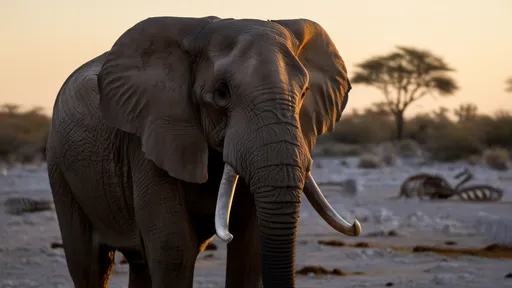
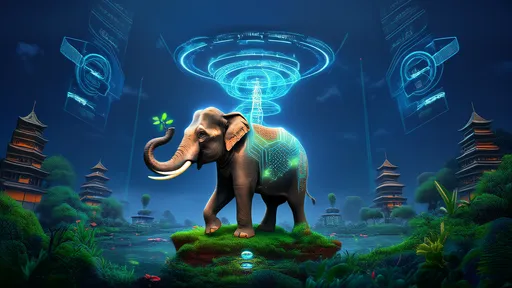
In the vast expanses of Namibia's communal conservancies, where desert-adapted elephants roam across territories larger than some European countries, conservationists face the monumental challenge of monitoring wildlife across seemingly endless landscapes. Here, the ancient tracking skills of the San people—whose ancestors painted animal footprints on cave walls thousands of years ago—are being combined with modern satellite technology in ways that would have been unimaginable a decade ago.
Satellite collars transmit real-time data about elephant movements to conservation headquarters, but it's the indigenous trackers who interpret this information through the lens of generations of ecological knowledge. They can tell from the satellite data whether elephants are moving normally or showing signs of distress, whether they're searching for water or avoiding human settlements. This combination of high-tech monitoring and deep cultural understanding has reduced human-wildlife conflict by forty percent in participating communities, proving that the most advanced technology is only as good as the traditional wisdom that interprets it.
AI and Ancient Knowledge Systems
Perhaps the most exciting development in this fusion of old and new is the application of artificial intelligence to decode and preserve indigenous knowledge systems. In the Amazon rainforest, where countless plant species remain unknown to Western science, AI algorithms are being trained on the knowledge of tribal shamans who recognize medicinal plants that modern science has never documented. These sophisticated systems don't just record this knowledge—they look for patterns and connections that might take human researchers decades to discover.
Similarly, in Australia's Northern Territory, Aboriginal rangers are working with tech companies to develop AI-powered recognition software that identifies animal tracks. The system learns from the rangers' expertise, gradually building a database that connects specific track patterns with animal behavior, health, and even emotional states—information that Western science is only beginning to appreciate. This represents a fundamental shift from treating traditional knowledge as anecdotal to recognizing it as a sophisticated data system that can be enhanced and amplified through technology.
The Sound of Conservation
Acoustic monitoring technology has emerged as another powerful tool that beautifully complements traditional conservation approaches. Across Southeast Asia's threatened rainforests, automated recording devices placed high in the canopy capture thousands of hours of forest sounds—from the distinctive calls of endangered gibbons to the subtle sounds of illegal logging activity. But it's the indigenous forest dwellers who bring this data to life, identifying animal calls that computer systems might miss and interpreting subtle acoustic changes that indicate ecological shifts.
In Borneo, the Penan people have used their extraordinary auditory skills for generations to navigate the dense rainforest and communicate across long distances. Now, they're training machine learning systems to recognize the specific sound patterns that indicate healthy ecosystems versus those in distress. This collaboration has led to the discovery of previously unknown animal vocalizations and has dramatically improved the early detection of illegal activities in protected areas. The forest is speaking, and finally, we're developing the tools to understand its language with both technological and traditional interpreters.
Community-Based Monitoring and Global Data Networks
The power of technology to connect local traditional knowledge with global conservation efforts represents perhaps the most transformative development of all. In the past, indigenous observations about changing migration patterns or unusual animal behavior remained localized anecdotes. Today, smartphone applications allow community rangers from Mongolia to Madagascar to input their observations into global databases that can detect patterns across continents.
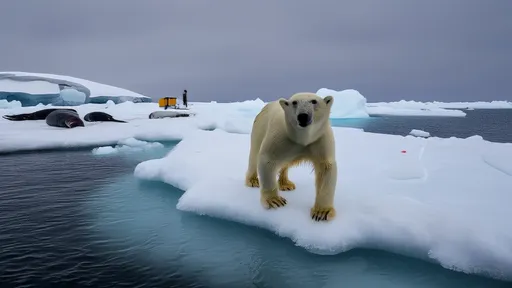
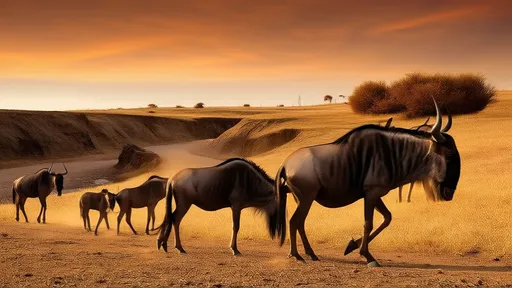
When Maasai herders in Tanzania note changes in wildebeest calving patterns, their observations can be instantly correlated with satellite data on vegetation changes and weather patterns across East Africa. When Inuit hunters in Canada report thinner ice and changing polar bear behavior, their traditional knowledge contributes to our understanding of climate change impacts across the Arctic. This global network of traditional observation, enhanced by technology, creates a living map of planetary health that no satellite or sensor could generate alone.
Challenges and Ethical Considerations
Despite these promising developments, the fusion of technology and traditional conservation knowledge faces significant challenges. There are important questions about data ownership and intellectual property rights when indigenous knowledge becomes digitized. Who owns the data collected from traditional territories? How do we ensure that local communities benefit fairly from any commercial applications of their knowledge? These questions require careful ethical consideration and inclusive governance models that give traditional knowledge holders equal voice in decision-making.
There's also the risk of creating a technological divide within conservation. The most sophisticated tools remain expensive and require infrastructure that may be lacking in remote areas where traditional knowledge is strongest. Ensuring that technology serves as a bridge rather than a barrier requires intentional design of appropriate technology—tools that are affordable, durable, and accessible to communities with limited resources and technical support.
The Path Forward
The future of conservation lies not in choosing between technology and tradition, but in weaving them together into a stronger whole. The most successful projects are those that begin with respect for traditional knowledge systems and introduce technology as a tool to enhance rather than replace them. This requires humility from technologists and openness from traditional knowledge holders—a mutual recognition that both have essential contributions to make.
As we look to the future, we're likely to see even more sophisticated integrations of technology and tradition. Imagine augmented reality systems that overlay digital information on the physical landscape, allowing young rangers to "see" what experienced elders perceive in animal behavior. Consider the potential of blockchain technology to create transparent, equitable systems for sharing benefits from conservation-related data. Envision genetic analysis technologies that can verify the provenance of traditional medicinal plants while respecting indigenous intellectual property rights.
In the end, the fusion of technology and traditional knowledge in animal conservation represents more than just a practical solution to environmental challenges. It embodies a philosophical shift toward recognizing the value of diverse ways of knowing. It acknowledges that the algorithms we create today might help preserve wisdom that predates computers by millennia, and that the oldest knowledge systems on Earth might hold the keys to solving our most modern conservation dilemmas.
The Maasai elder in Kenya now carries a smartphone alongside his traditional spear. The conservation biologist in San Francisco begins her analysis by consulting with indigenous trackers. Between them flows a continuous exchange of knowledge—ancient wisdom made more powerful by modern tools, and cutting-edge technology made more meaningful by traditional understanding. In this exchange lies our best hope for preserving the incredible diversity of life with which we share our planet.

By /Aug 21, 2025
By /Aug 21, 2025
By /Aug 21, 2025

By /Aug 21, 2025

By /Aug 21, 2025
By /Aug 21, 2025
By /Aug 21, 2025
By /Aug 21, 2025
By /Aug 21, 2025

By /Aug 21, 2025
By /Aug 21, 2025
By /Aug 21, 2025
By /Aug 21, 2025
By /Aug 21, 2025
By /Aug 21, 2025

By /Aug 21, 2025
By /Aug 21, 2025
By /Aug 21, 2025
By /Aug 21, 2025

By /Aug 21, 2025
